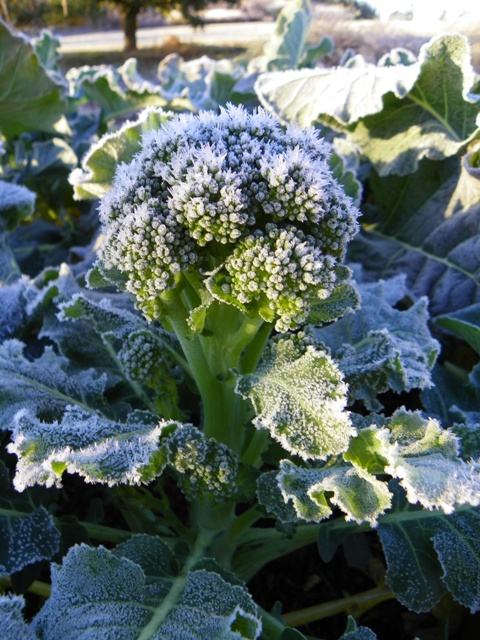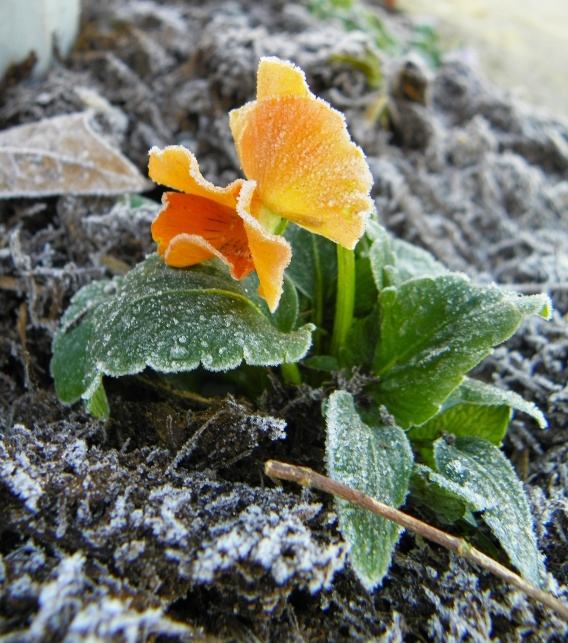
Cooler temperatures are on the way and some inland regions in southeastern NC may actually wake up to patchy frost Saturday morning. Even if you do not see frost this weekend, it is only a matter of time before you do. Statistically, the average first fall frost in southeastern NC occurs the first week of November for inland areas like Burgaw, Wallace, Currie, and Shallotte. For coastal communities (Hampstead, Wilmington, Southport) the first frost does not typically occur until the third week of November due to the moderating effect of ocean waters. With frost, many plants stop growing, changing the gardener’s palette of gardening chores. The following tips will keep you on task in your southern yard and garden this fall.
Houseplants
If you moved your houseplants outside for the summer bring them back in when night time low’s start dipping down into the 40’s. Inspect plants for pests before bringing them inside. Mealybugs and aphids are two of the most common pests on houseplants. Both can be treated with relatively non toxic insecticidal soap or horticultural oil, just be sure to thoroughly cover plants when you spray.
Winter is a resting time for most houseplants so wait until spring to divide or repot. If you need to trim your plants back a little that is fine, but wait until spring to do any severe pruning. Cut back on watering and fertilization through the winter since cooler temperatures and lower light levels mean houseplants will not be actively growing. Houseplants often shed leaves when they are moved inside as they adjust to lower light levels. This is normal and should only last for a few weeks. If your plants continue to shed leaves weeks after being brought inside you may be overwatering.
Vegetable Gardens
Frost will bring an end to any summer crops still producing in your garden. If frost is predicted, make a final harvest of tomatoes, peppers, cucumbers, squash, eggplant, and okra. To make the most of this late season bounty, store crops under proper conditions. Most summer crops store best at 55 degrees in perforated plastic bags and will last up to a week under these conditions, though peppers will last longer. Storing summer vegetables near apples and tomatoes, which release ethylene, will reduce their shelf life.
Green tomatoes harvested before frost, can be wrapped in newspaper and kept at 55 F to 70 F. Tomatoes stored in this manner can last 3-5 weeks. Be sure to inspect each week for ripeness. Once harvested, tomatoes will continue to soften and turn color, but will not develop flavor so leave fruits on your plants as long as possible for maximum taste.
Be sure to dig sweet potatoes before frost. Following harvest, sweet potatoes should be ‘cured’ by placing them in a moist, warm (80-85 degrees) location for a week to 10 days. Once cured, store them for winter in a dark, cool location (55 degrees) where they will not freeze.