Written by: Aimee Jarrels, Extension Master Gardener Volunteer of Pender County
Getting Ready for Spring Vegetable Gardens
(Updated: Dec. 4, 2024, 11:35 a.m.)
Spring will be here soon, and avid gardeners will be buzzing with energy to get to work on their vegetable gardens. Even if you are itching to get outside and start sowing some seeds, it is best to wait until spring has made its complete arrival, unless you are starting seeds indoors, of course. That does not mean you cannot start preparing for your spring garden. Take advantage of the late winter and start crossing off items from your spring vegetable garden checklist. Here are a few things to do to get started.
A Little TLC For Tools
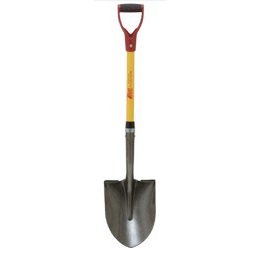
You can hardly grow a vegetable garden without at least using some basic tools like a digging fork, spade, or shovel. Over the winters, when they aren’t out much, garden tools tend to lose their shine, blades turn dull, and motor/gas-powered equipment needs a little boost to restart. Before spring arrives, get all of your gardening arsenals prepped and ready to use in the next season. Sharpen the blades of your mowers, change the spark plugs if needed, drain and replace the fluids and add some gas to get the engine running again. Use a sharpening stone to get the garden knives sharp and shiny again, repair any digging tools that may have suffered damage, or maybe get a new shovel.Work Your Yard
Winters are infamous for doing a number to your well-maintained lawns. Under the layers of cold and occasional snow, your backyard may be a tad more disheveled than you would expect. Even without the fallen autumn leaves lying on the ground (if you remembered to rake well before winter arrived) moss and similar organisms tend to grow on top of the soil. Thatch, plant residue, undecomposed twigs, and dead leaves can be a nuisance to your vegetable garden and interrupt your yard’s soil’s potential. Before sowing your vegetable garden, be sure to fix your yard for the best results.Draw A Garden Plan
Like most things in life, being organized and putting some thought into an idea before diving right in always pays off. A vegetable garden is no different. It requires some mulling over and preparation before the actual work begins.Think about the soil quality, the plants you grew last year, the climate to be expected next season, what grows best in your area, and the amount of work and commitment you are willing to put forth for your vegetable garden. After thinking through it, decide on some plants that you want to grow depending upon your preferences and yard. Once you know what you want, you can start drawing a rough layout of your kitchen garden- How much area should you take? What will be the dimensions of each plot? Would you want to build raised beds? If yes, then how many? If yes, then how wide? Planning your garden will also let you know how to prepare your soil and the nutrient recommendations or specific requirements you may need.Prepare The Seedbed
When you’ve done all you could and just before the actual sowing of the seeds, it’s time to prepare the soil and form the seedbeds for your spring vegetable garden. Start by cleaning and raking, aerating and tilling the soil (if needed), adding and mixing in composted manure, and lightly watering the soil. Then, start leveling the soil and evening the land to form the plant plots. Make the seedbeds and rows and include the water channels for irrigation and drainage. Mark the row-to-row distance and seed spacing depending upon the plant you want to grow. Check the specific requirements of each plant and prepare the seedbed accordingly.The last thing you need to do is wait for spring to come in full bloom and begin sowing the seeds for your spring vegetable garden without the necessary preparation.
Written By

More About